
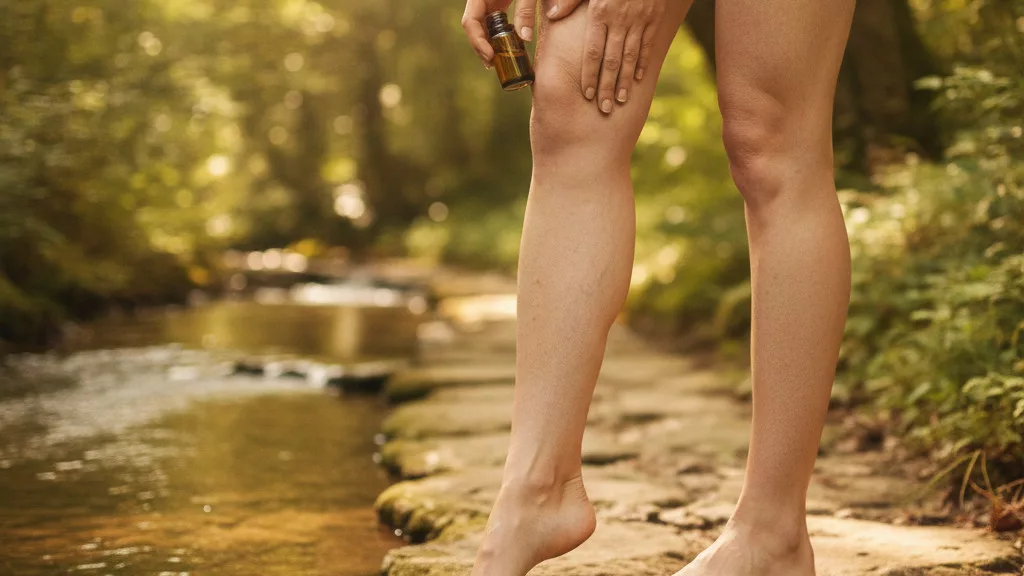
What Are Varicose Veins?
Varicose veins are dilated and twisted veins that primarily develop in the legs. They occur when the valves inside the veins do not function properly, causing blood to accumulate and resulting in excessive pressure. Although they are a common and often benign condition, they can cause symptoms such as swelling, pain, and a feeling of heaviness. Understanding the causes and risk factors is essential for effectively addressing the issue.
Causes of Varicose Veins
The causes of varicose veins are numerous and can include:
- Genetic predisposition: If your parents had varicose veins, you are likely to develop them.
- Age: As you age, veins may lose elasticity and tone.
- Pregnancy: Hormonal changes and increased pressure on the veins can contribute to the appearance of varicose veins.
- Obesity: Extra weight can put pressure on the veins in the legs, promoting their development.
It is important to keep these factors in mind to implement preventive and therapeutic strategies.
How Exercises Can Help
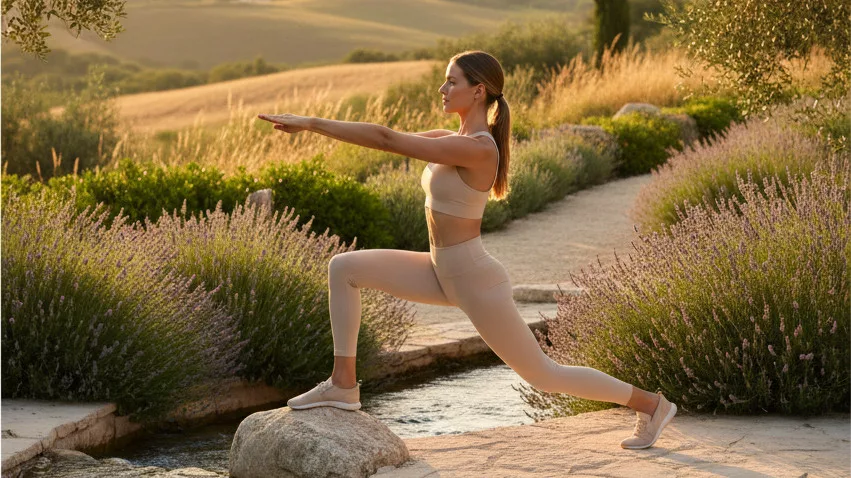
Physical exercises can play a crucial role in improving circulation and strengthening the muscles of the legs, thus helping to prevent and alleviate varicose veins. In particular, movements that activate the calf muscle are extremely beneficial. Start today with a simple exercise routine:
- Leg cycling: Lie on your back and move your legs as if you were pedaling a bicycle. Do this exercise for 5-10 minutes a day.
- Calf raises: While standing, rise onto your toes and come back down. Do 3 sets of 15 repetitions, 3 times a week.
- Brisk walking: Walk for at least 30 minutes a day. This will improve circulation throughout the body.
Natural Remedies for Varicose Veins
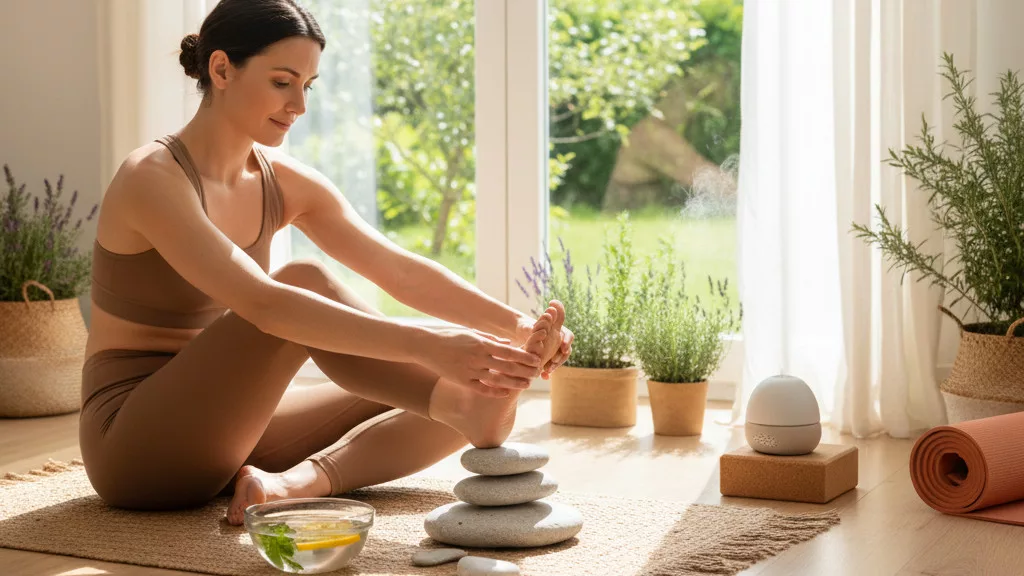
Natural remedies can be a valid support to alleviate the symptoms of varicose veins. Here are some practical suggestions to integrate into your daily routine:
- Horse Chestnut Extract: Considered an effective remedy, it can help improve circulation. You can take capsules with doses of 300-600 mg per day, according to product instructions.
- Water and lemon: Drinking warm water with lemon juice in the morning can purify the blood and improve circulation. Try to do this at least 3 times a week.
- Cold compresses: Applying cold compresses to the legs can relieve swelling and the feeling of heaviness. Perform this practice for 10-15 minutes, 2 times a day.
Daily Habits to Prevent Varicose Veins
In addition to exercises and natural remedies, adopting some daily habits can help you keep your veins healthy:
- Avoid sitting or standing for long periods: If you work in an office, try to get up every 30 minutes and walk a bit.
- Wear compression stockings: These can help improve circulation, especially if you spend many hours on your feet.
- Eat a balanced diet: Be sure to include foods rich in fiber and low in salt. For example, omega-3 supplements like fatty fish (salmon, mackerel) and fresh fruits and vegetables can make a difference.
Benefits of Hydrotherapy
Hydrotherapy can be a very effective method for alleviating the symptoms of varicose veins. Taking alternating hot and cold showers stimulates blood circulation and tones the veins. Try to do this for 10 minutes a day: start with 2 minutes of hot water followed by 1 minute of cold water. Repeat 3 times.
Supplements for Vein Health
There are several supplements that can help improve vein health. For example:
- Rutin: a flavonoid found in many plants that can help strengthen veins and improve circulation. A dose of about 500 mg per day is recommended.
- Vitamin E: can improve the elasticity of veins. Take 15 mg per day, preferably with a meal.
- Phosphatidylserine: a supplement that can help reduce inflammation and improve vein health. A dose of 200 mg per day is recommended.
Monitoring Progress
Monitoring your progress is essential to evaluate the effectiveness of the remedies and exercises you choose to adopt. We suggest:
- Keeping a diary: Note your daily exercises and natural remedies used, as well as any improvements or persistent symptoms.
- Taking photos: Visually document changes in your legs over time to have a clear idea of the evolution of your situation.
- Setting goals: Establishing realistic improvement goals can help you stay motivated and focused on your well-being.
When to See a Doctor
It is important to know when it is time to consult a professional. If you notice severe symptoms such as intense pain, changes in the skin, or bleeding, do not hesitate to contact your trusted doctor. Additionally, if the remedies and exercises do not lead to significant improvements within a few months, it may be helpful to seek medical advice.
Conclusion
Addressing varicose veins may seem challenging, but with the right approach and the implementation of specific exercises and natural remedies, it is possible to significantly improve the situation. Start integrating these suggestions into your daily routine and observe how your quality of life can improve. Don't forget to monitor your progress and be patient: results take time!
Comments
comments.cta_title
comments.cta_text
comments.login_cta
comments.empty_title
comments.empty_text