
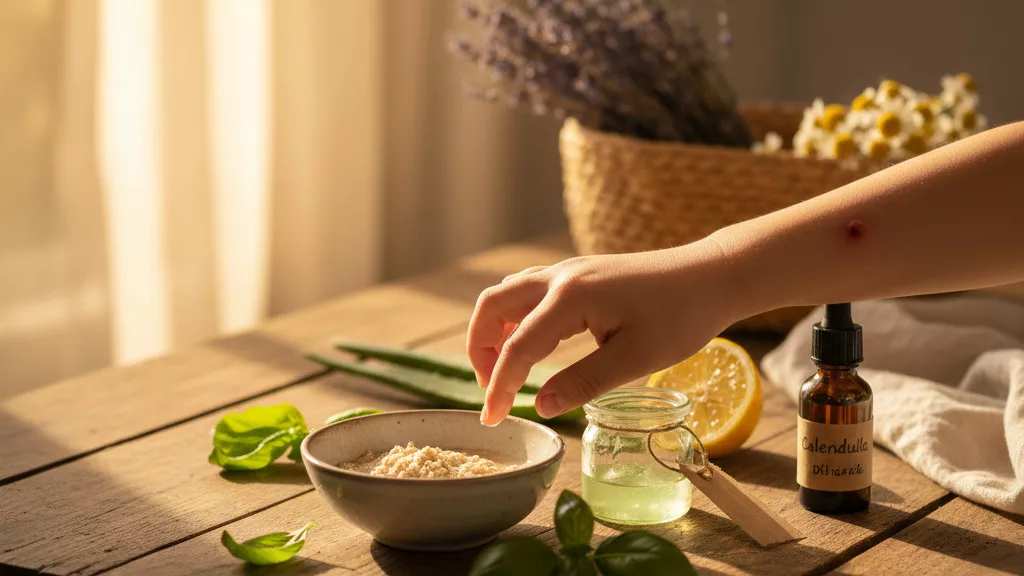
Introduction to Insect Bites in Children
Insect bites are a common problem, especially in children who love to play outdoors. These bites can cause irritation, itching, and, in some cases, more severe allergic reactions. It is essential to know how to intervene and, above all, how to prevent these annoying situations.
Types of Insects and Commonly Observed Reactions
In our environment, various insects can bite children, with the most common being mosquitoes, bees, and wasps. Reactions to bites can vary depending on the type of insect and the child's sensitivity. Some warning signs include:
- Redness and swelling at the bite site
- Persistent itching
- Fever or general malaise in case of allergic reactions
If you notice severe symptoms such as difficulty breathing or swelling of the face, it is crucial to contact a doctor immediately.
Prevention: How to Protect Children from Insect Bites
Prevention is always the best approach. Here are some practical strategies to reduce the risk of bites:
- Appropriate clothing: Dressing children in long, lightweight clothing, preferably in light colors, can help reduce the risk of bites.
- Natural repellents: Using repellents based on citronella oil or geranium oil can be effective. Apply the repellent to exposed areas of the skin, avoiding the face.
- Limit exposure: Avoid letting children play in areas with a high presence of insects, such as flower gardens or near bonfires during summer evenings.
- Environmental control: Keep outdoor spaces tidy to limit insect shelters, for example, by eliminating standing water.
Natural Remedies for Treating Insect Bites
When a child is bitten by an insect, there are several natural remedies that can help reduce discomfort and pain:
- Aloe Vera Gel: It has soothing properties. Apply some to the affected area to calm the itching.
- Cold compresses: Use a cloth dampened with cold water or ice wrapped in a towel for 10-15 minutes to relieve swelling.
- Lavender essential oil: It has anti-inflammatory properties. Dilute a few drops with vegetable oil and apply it to the bite.
- Apple cider vinegar: Its astringent properties can help. Dab some vinegar with a cotton ball on the affected area.
When to See a Doctor
Not all insect bites require medical intervention, but it is important to know the warning signs:
- Allergic reactions: If your child shows signs of anaphylaxis, such as difficulty breathing or swelling of the throat, call emergency services immediately.
- Infections: An infection may manifest as increasing redness, pus, or fever. In these cases, it is advisable to consult a doctor.
- Multiple bites: In the case of bites from multiple insects, monitor the symptoms and consult a doctor if necessary.
Education for Children: What to Teach
Teaching children to recognize and respond to insect bites is essential:
- Recognizing insects: Start a discussion about which insects are at risk and how to avoid them.
- Using repellents: Teach them to apply repellents when outdoors.
- Reacting promptly: Show children how to behave in case of a bite, indicating remedies and when to seek help.
Psychological Impact of Insect Bites
Interestingly, insect bites can also have a psychological impact on children, especially if they are particularly sensitive:
- Anxiety: Some children may develop an excessive fear of insects, leading them to avoid outdoor activities.
- Avoidant behaviors: An overreaction to a bite can cause avoidance behaviors, limiting children's experiences.
Encourage the child to talk about their fears and reassure them that most bites are harmless.
Conclusions: Care as a Lifestyle
Addressing insect bites in children requires not only a prompt reaction but also adequate preparation. Natural remedies can be a valuable aid, but prevention remains key. By implementing simple daily practices, parents can significantly reduce the risk of bites and ensure a more serene outdoor life for their children.
We encourage you to try some of the natural remedies listed and share your experiences. The health and well-being of little ones are a priority for all of us.



Comments
comments.cta_title
comments.cta_text
comments.login_cta
comments.empty_title
comments.empty_text