
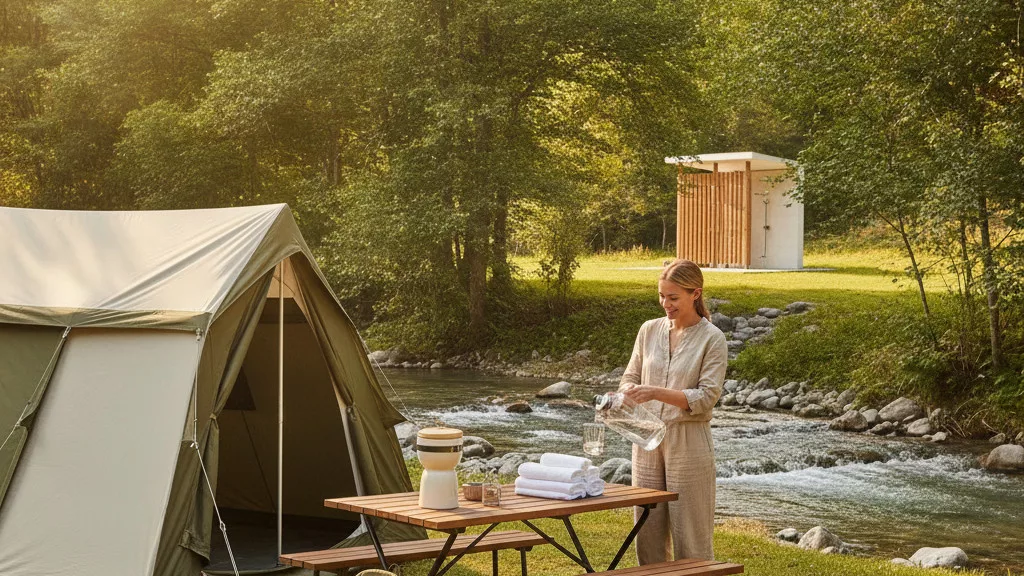
Introduction to Legionella
Legionella is a pathogenic bacterium that can cause severe respiratory diseases, including pneumonia. This organism is commonly found in aquatic environments, both natural and artificial, such as lakes, rivers, showers, and water systems. Transmission occurs mainly through the inhalation of aerosols containing the bacterium. For camping enthusiasts, it is essential to be aware of the risks associated with legionella, especially in places where water can stagnate or become contaminated.
How is Legionella Contracted?
Legionella is found in humid environments and can proliferate under favorable conditions. Humans become infected mainly through the inhalation of small droplets of contaminated water. Symptoms of infection can range from mild to severe and include:
- High fever
- Persistent cough
- Difficulty breathing
- Headaches and muscle pain
It is important to know that legionella is not transmitted from person to person, and the risk of exposure increases in crowded environments or in facilities with poorly managed water systems.
Risks of Legionella While Camping
During camping holidays, you may find yourself in high-risk situations for exposure to legionella. Critical points include:
- Showers and sinks in public campsites, where water can stagnate.
- Fountains and pools that are not regularly cleaned.
- Drinking water from unverified sources.
Being aware of these situations is the first step to protecting yourself.
5 Strategies to Prevent Legionella
There are several practical measures you can take to reduce the risk of exposure to legionella while camping:
- Check water quality: Before using drinking water, ensure it comes from safe and tested sources. Use filters or chlorine tablets if you are unsure of the quality.
- Avoid public showers: If possible, use your own shower equipment, such as portable shower tents, to avoid contact with potentially contaminated water systems.
- Be cautious with fountains and pools: If using pools or fountains, ensure they are well-maintained and clean. Check for chlorine levels in pools and avoid those that appear poorly cared for.
- Dry equipment: After use, thoroughly dry equipment that comes into contact with water, such as tents, inflatable mattresses, and showers.
- Use hot water: If using water for cooking or washing, use it at temperatures above 60°C to reduce the risk of legionella.
Symptoms of Legionellosis: What to Do
Being able to recognize the symptoms of legionellosis is crucial. If during your camping trip you experience:
- High fever
- Persistent cough
- Difficulty breathing
contact a doctor immediately. Do not ignore these signs, as they may indicate a serious condition.
How to Manage Water While Camping
Water management is one of the most critical aspects of camping. Here are some practical tips to keep water safe:
- Filtration: Use appropriate water filters that remove bacteria and contaminants. There are very effective portable filters available.
- Storage: Store water in clean, sealed containers, avoiding contact with dirty surfaces.
- Heating: If using hot water, ensure it is heated above 60°C.
Educate and Raise Awareness
It is important to inform fellow campers about the risks associated with legionella. Talk to family and friends about preventive measures to create a safer environment for everyone. You can do this by involving them in planning water protection and hygiene practices.
Conclusion: Enjoy Camping Safely
Camping can be a rejuvenating and rewarding experience, but it is essential to take some precautions to protect your health. By following these tips, you can significantly reduce the risk of exposure to legionella. We encourage you to try these precautions on your next trip and enjoy nature safely.



Comments
comments.cta_title
comments.cta_text
comments.login_cta
comments.empty_title
comments.empty_text