
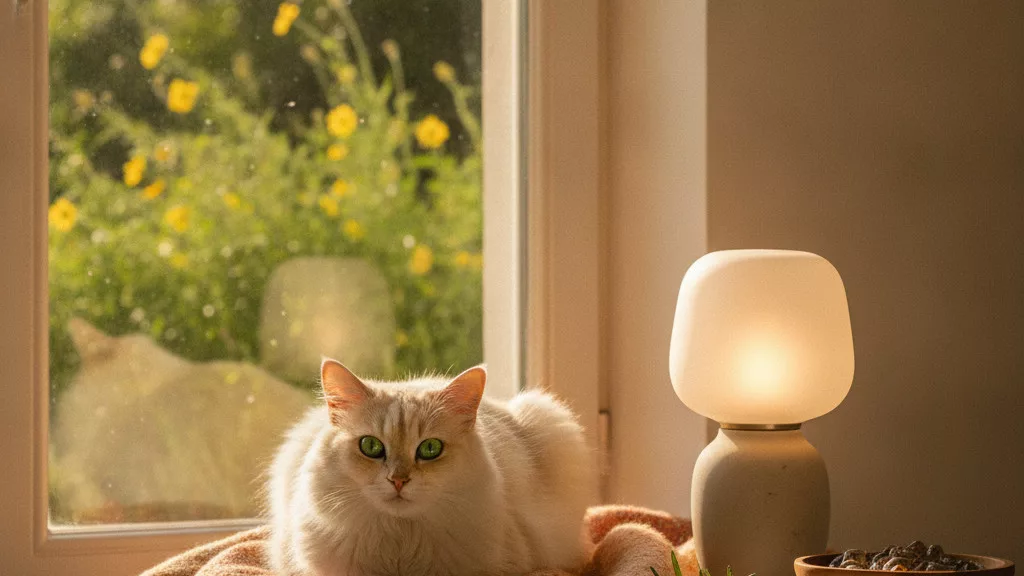
Dilated Pupils: A Warning Sign?
When we observe dilated pupils in cats, the first reaction might be to worry. A cat's pupils can adapt to different lighting conditions, but persistent dilation could signal health issues. This phenomenon, known as mydriasis, can have various causes, ranging from the more innocuous, such as excitement or fear, to more serious conditions like eye diseases, poisoning, or environmental stress.
For example, a cat feeling threatened in a dark environment may dilate its pupils to improve vision, while a dilated pupil in a calm context might indicate illness or disorder. It is essential to observe the context in which dilation occurs and associate it with other symptoms, such as light reactivity, the presence of ocular secretions, or the overall behavior of the animal.
Causes of Dilated Pupils in Cats
The causes of dilated pupils can vary significantly and include:
- Physiological factors: such as adrenaline released during stress or fear situations.
- Eye diseases: such as cataracts or inflammation that can affect pupil function.
- Poisoning: from toxic substances, such as poisonous plants or pesticides.
- Side effects of medications: some medications, such as those for anxiety treatment, can cause pupil dilation.
- Neurological conditions: that can affect the central nervous system.
If you notice prolonged pupil dilation, it is advisable to consult a veterinarian to rule out serious pathologies.
Ambient Lighting and Cat Well-Being
An often-overlooked aspect of cat care is ambient lighting. Proper lighting not only promotes visual health but also influences the behavior and psychological well-being of the animal. The lighting should aim to mimic natural environments, avoiding areas that are too dark or overly bright.
A study conducted by the Mayo Clinic suggests that soft lighting, similar to natural light, can improve the mood of pets. Similarly, exposure to overly intense or flickering fluorescent lights can cause stress and anxiety. Ideally, lighting should be adjustable throughout the day, simulating the natural cycle of the sun.
How Lighting Affects Behavior
Inadequate lighting can profoundly influence your cat's behavior. For example, in low-light conditions, cats tend to become more anxious and tense, while in a well-lit environment, they appear more active and sociable. Too bright lights can also have the opposite effect, causing irritability.
To ensure proper lighting, we can start by adjusting the lighting in the rooms where the cat spends the most time. You can use dimmable lamps or LED lights that allow you to vary the light intensity. A great practice is to provide natural lighting through windows or doors, ensuring that the cat can move freely and find shaded areas when necessary.
The Role of Natural Light
Natural light plays a crucial role in the lives of cats. Exposing your cat to natural light during daylight hours not only promotes the production of melatonin but also helps regulate sleep-wake cycles. A cat that receives at least 3-4 hours of natural light per day tends to have a more balanced behavior and better health.
Moreover, natural light also stimulates vitamin D, which is important for bone health and immune function. If you live in an environment with little natural light, consider using sun-like lamps, such as full spectrum lamps.
How to Recognize Signs of Discomfort
Observing your cat is essential to catch any signs of discomfort related to lighting. Some signs include:
- Restless or aggressive behavior.
- Hiding in dark places or refusing to come out.
- Dilated pupils even in well-lit environments.
If you notice these behaviors, try to modify the lighting. For example, you can install blackout curtains in areas where the light is too intense and consider using adjustable intensity lamps.
Practices for Optimal Lighting
To ensure your cat enjoys a comfortable environment, you can adopt some simple practices:
- Use of dimmable lights: will allow you to adjust the light intensity according to the cat's needs.
- Creating shaded areas: ensure that your cat has places to retreat from intense light.
- Regularity of lighting: alternate between natural and artificial light, always maintaining a balanced proportion.
With small changes, you can notice a significant change in your feline's behavior and well-being.
Consult a Veterinarian
Finally, if dilated pupils persist despite proper lighting, it is essential to consult a veterinarian. Your cat's visual health is crucial, and as we have seen, dilated pupils can be a symptom of more serious issues. Don't wait, take action now to ensure your feline friend is always healthy.
It is also important to keep your cat under observation and monitor any changes in its daily behavior, so you can address any issues promptly.
Conclusions
Investing in the right lighting for your cat's visual health and mental well-being is essential. The small changes you make in the environment can make a big difference in your feline's behavior and quality of life. Remember to pay attention to your cat's signals, as they indicate its needs. Take care of your four-legged companion, and it will return your affection!
Try to modify the lighting in the room where your cat spends the most time and observe the changes in its behavior. You can start today!

Comments
comments.cta_title
comments.cta_text
comments.login_cta
comments.empty_title
comments.empty_text