
Skip to content
Dietary Supplements

Vitamin D: Why It's Essential and How to Take It Correctly

4 (84 votes)
Vitamin D: Why It's Essential and How to Take It Correctly
Text size:

The Role of Vitamin D

Vitamin D is a fat-soluble vitamin that plays a crucial role in calcium and phosphorus metabolism, bone health, and immune system function. Despite its importance, vitamin D deficiency is extremely widespread, especially in the winter months.

Signs of Deficiency

Vitamin D deficiency can manifest as chronic fatigue, muscle and bone pain, brittle nails, hair loss, and an increased susceptibility to infections. In more severe cases, it can lead to osteoporosis and rickets.

Natural Sources

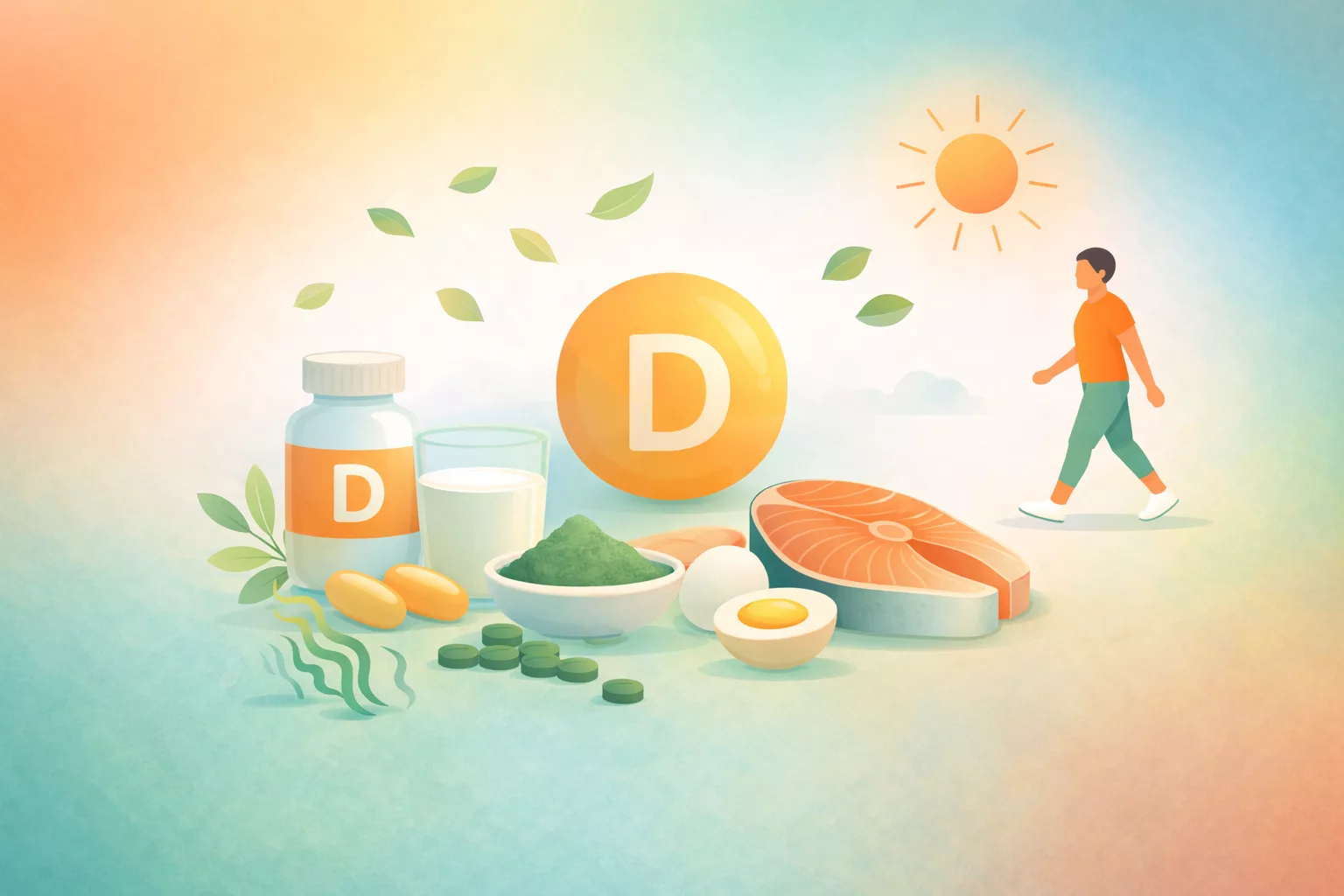
The main source of vitamin D is sun exposure: just 15-20 minutes a day of sun on the face and arms is sufficient. Among foods, the best sources are fatty fish (salmon, mackerel, sardines), egg yolk, and mushrooms exposed to UV light.

Supplementation: When and How

When sun exposure is insufficient, supplementation becomes important. The recommended dosage varies from 1000 to 4000 IU per day, but it is always advisable to have a blood test and consult your doctor to determine the optimal dosage.

Absorption Tips

  • Take vitamin D during meals, preferably with fats
  • Vitamin K2 enhances the utilization of vitamin D
  • Avoid megadoses without medical supervision
  • Monitor levels with periodic blood tests

Sources & scientific references (5)

Comments 5

comments.cta_title

comments.cta_text

comments.login_cta

S
Sara Russo
Non sapevo che la carenza di vitamina D fosse così diffusa anche in Italia, nonostante il sole. Dopo un esame del sangue ho scoperto di averne livelli bassissimi. Il mio medico mi ha consigliato l'integrazione e devo dire che la differenza si sente, soprattutto nella stanchezza e nell'umore.
D
Davide Conti
Articolo utilissimo. Vorrei aggiungere che è importante far dosare la vitamina D prima di integrare, perché anche un eccesso può essere dannoso. Il range ottimale nel sangue è generalmente tra 30 e 50 ng/ml. Rivolgetevi sempre al vostro medico per il dosaggio corretto.
D
Daniela Serra
Giustissimo il tuo consiglio sul dosaggio ematico prima di integrare. Troppa gente assume vitamina D senza sapere i propri livelli. Un semplice esame del sangue evita sia la carenza che l'eccesso, entrambi dannosi.
N
Nicola Serra
Ho scoperto di avere la vitamina D a 12 ng/ml, un valore bassissimo. Dopo sei mesi di integrazione controllata sono risalita a 45 ng/ml e i dolori ossei che avevo da tempo sono praticamente scomparsi. L'esposizione al sole non basta, soprattutto d'inverno.
N
Nadia Marino
Vivo nel nord Italia e lavoro in ufficio tutto il giorno. La mia vitamina D era a 8 ng/ml, praticamente inesistente. Dopo un anno di integrazione guidata dal medico sono a 50 ng/ml e la differenza è abissale: meno dolori, più energia e umore molto più stabile.