
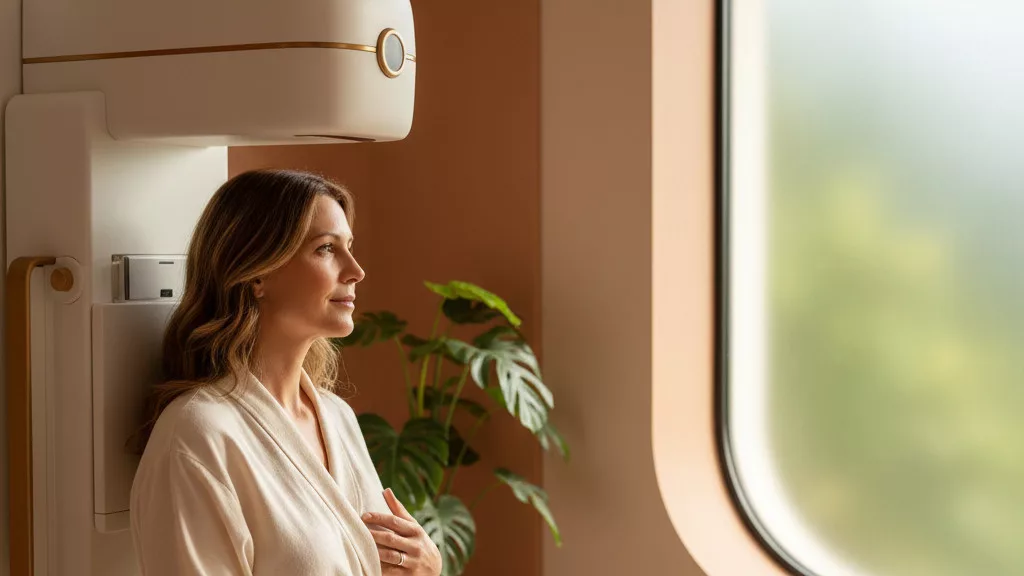
What is Mammography?
Mammography is an essential radiological examination for the prevention and early diagnosis of breast cancer. This screening uses low-dose radiation to obtain detailed images of breast tissue, allowing for the identification of any abnormalities even before they can be felt. The exam is recommended, particularly for women starting at age 40, or earlier if there are significant risk factors such as a family history of breast cancer.
International guidelines, such as those from the World Health Organization (WHO), suggest that mammography should be performed regularly, every 1-2 years, to ensure early diagnosis and increase the chances of effective treatment.
The Influence of Anxiety on Women's Mental Health
Many women experience anxiety before undergoing a mammogram. This fear can stem from both the fear of physical pain during the exam and the worry about a possible positive cancer result. According to a study published in The Lancet, about 30% of women report feeling anxious before a mammogram, and this can affect not only their mood but also their behavior regarding prevention and health.
High anxiety can lead to avoiding screenings, compromising long-term health. It is essential to recognize that anxiety is not just a fleeting feeling but can become a significant factor in the deterioration of psychological well-being. The National Institute of Health (NIH) has emphasized how mental health and physical health are closely linked, making it crucial to address the fear associated with medical procedures like mammography.
Understanding the Fear of Mammography
The fear of undergoing a mammogram can arise from various sources: past negative experiences, hearing unsettling stories, or simply the fear of the unknown. Understanding these fears is the first step in addressing them. During the exam, many women fear pain, although most report that the sensation is tolerable and temporary. To reduce this fear, you might consider informing yourself in advance about the process, perhaps by talking to a healthcare professional.
Additionally, it is helpful to discuss it with other women who have already undergone the exam to compare experiences. This can alleviate anxiety and provide a more realistic view of the exam.
Strategies to Manage Anxiety Associated with Mammography
There are several techniques you can use to reduce anxiety before and during the mammogram:
- Prepare a list of questions: Before the exam, write down your questions and concerns to bring to your doctor. This will help you feel more prepared and less anxious.
- Practice relaxation techniques: Breathe deeply or try meditation. Dedicate at least 10-15 minutes a day to deep breathing exercises, such as inhaling for 4 seconds, holding your breath for 4 seconds, and exhaling for 4 seconds.
- Bring a companion: Having a trusted person with you can provide support and calmness. Don't hesitate to ask a friend or family member to accompany you to the exam.
Using these strategies can help you not only reduce anxiety but also experience the process with greater serenity.
Informing and Preparing: An Important Step
One of the best strategies for dealing with anxiety is information. The more you know about the procedure and its objectives, the less frightening it will appear. Turning to reliable sources, such as the Ministry of Health's website, can help you gather clear and detailed information about what to expect from the mammogram.
Additionally, you can prepare psychologically by discussing all possible anxieties with your doctor. Don't hesitate to ask for clarification on what happens during the exam, the technologies used, and the expected results.
The Role of Social Connection
Talking about your experiences and concerns with other women can be a great way to alleviate anxiety. Social connection plays a fundamental role in supporting mental health. Participating in support groups or online forums dedicated to women's health can provide a safe space to share fears and receive practical advice.
The Veronesi Foundation has highlighted the importance of social support in dealing with cancer and other related conditions. Sharing your experiences with those who have undergone or are facing the same journey can provide new perspectives and reassurance.
Mammography as an Empowerment Tool
Facing mammography with a positive attitude can transform this experience into an act of self-care. Viewing mammography not just as an exam but as an opportunity to monitor your health can help reduce anxiety. Remember that prevention is key: having mammograms regularly can save lives.
To make this moment more positive, you might adopt a routine that makes you feel good before the exam, such as listening to relaxing music or treating yourself to a small reward right after you complete it.
Considering Professional Help: When It Is Necessary
If anxiety before the mammogram becomes overwhelming and interferes with your daily life, it may be helpful to contact a mental health professional. Therapies such as CBT (Cognitive Behavioral Therapy) can provide effective tools for managing anxiety. Asking for help is not a sign of weakness; on the contrary, it is an important step towards self-care.
Consider seeking psychological counseling before the exam if you feel that your anxiety level is high. Various studies show that professional support can significantly reduce anxiety associated with medical procedures.
Conclusion: Facing Mammography with Serenity
Mammography is a crucial exam for women's health, but the anxiety it brings should not be an obstacle. Through preparation, information, and social support, you can approach this moment with serenity. Try to implement the strategies suggested in this article and observe how your experience changes.
Do not let fear stop you. Schedule your next mammogram appointment and start taking active care of your health. Remember, every step towards prevention is a step towards well-being.



Comments
comments.cta_title
comments.cta_text
comments.login_cta
comments.empty_title
comments.empty_text