
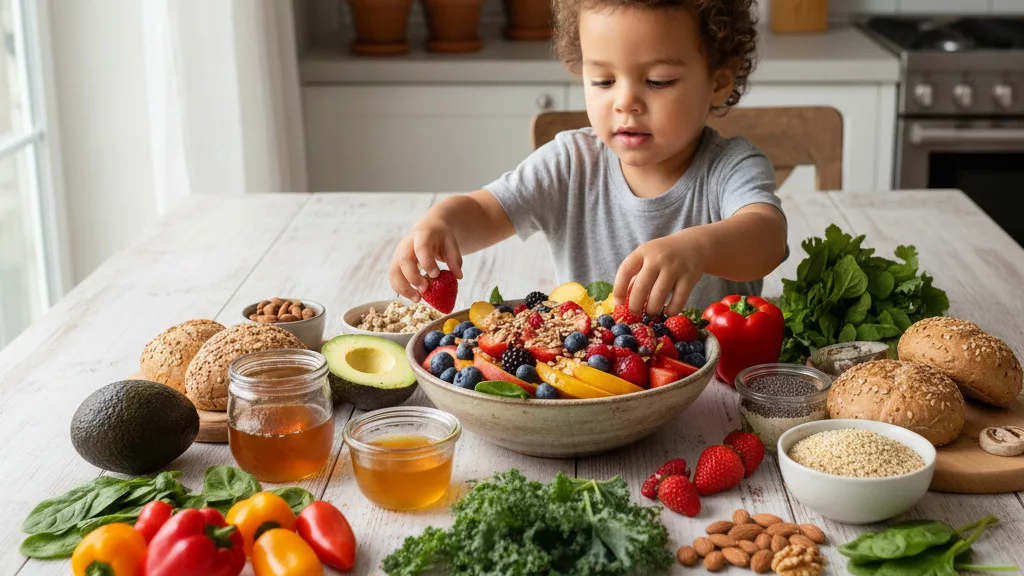
What is Epigenetic Nutrition?
We talk about epigenetics, a field that studies how environmental and behavioral factors influence how our genes are activated or deactivated. This means that we are not just the result of our DNA, but also of the choices we make every day, especially regarding our nutrition.
Epigenetics refers to the mechanisms that control gene expression, like a switch that turns our genes on or off. For children, this is particularly relevant: the nutrition they receive can have lasting effects on their health.
Many studies show that a balanced diet rich in nutrients can improve epigenetic health, reducing the risk of future diseases and enhancing overall well-being.
Influence of Nutrition on Children's Health
It is essential to understand how an improper diet can predispose children to diseases such as diabetes, obesity, and allergies. Epigenetic nutrition works to improve genetic response, promoting cellular health.
According to the World Health Organization (WHO), over 40% of childhood obesity cases can be attributed to poor dietary choices. It is therefore crucial for parents to be aware of the power of foods in shaping their children's future.
For example, a diet high in sugars and saturated fats can activate genes that lead to inflammation and metabolic diseases. Conversely, a diet rich in fruits, vegetables, and whole grains can promote the activation of protective genes.
Epigenetic Foods: Which to Choose for Children
We wondered which foods can have a positive impact on children's health. Here are some key nutrients to include in their diet:
- Folic Acid: Found in leafy green vegetables like spinach and broccoli. It is essential for growth and cell division. It is recommended to include at least 200-400 micrograms per day.
- Vitamin D: Crucial for bone and immune health. It is advised to expose children to sunlight for at least 15-30 minutes a day and consider supplements if necessary.
- Omega-3 Fatty Acids: Found in fatty fish (salmon, mackerel) and nuts. Aim to include 2-3 servings of fish per week.
- Polyphenols: Present in fruits and vegetables, they help protect cells from damage. Encourage the consumption of 5 servings of fruits and vegetables daily.
The Mediterranean Diet as a Model
Interestingly, epigenetic nutrition aligns with the principles of the Mediterranean diet, which emphasizes the use of whole foods, legumes, fresh fruits and vegetables, fish and seafood, with reduced consumption of meat and sweets. This diet not only promotes good health but may also positively influence gene expression.
For children, this diet can include:
- Whole wheat pasta with tomato and basil sauce: Rich in antioxidants and nutrients.
- Legume salad: A mix of chickpeas, lentils, and beans with fresh vegetables is an excellent source of protein and fiber.
- Grilled fish with a side of vegetables: Promotes the intake of omega-3 and essential vitamins.
Importance of Eating Practices
It is not just the food that matters, but also how and when children eat. Regular meal times, the absence of distractions during meals, and involvement in preparation can foster a healthy relationship with food.
For example:
- Set regular times for meals and snacks.
- Create a calm environment during meals, avoiding electronic devices.
- Encourage children to participate in food preparation to increase their interest.
Role of Family and Social Context
The family and social environment plays a crucial role in children's nutrition. Families can shape eating habits through their behavior. It has been shown that children tend to replicate their parents' food choices.
It is therefore important for adults to lead by example:
- Eat healthy meals with children.
- Talk about the benefits of healthy eating.
- Include children in food choices at the supermarket.
Physical Activity and Healthy Lifestyle
Pairing good nutrition with an adequate level of physical activity is essential for children's health. The WHO recommends at least 60 minutes of moderate or vigorous activity each day. This activity not only helps maintain a healthy weight but also improves overall well-being and mood.
Try to:
- Organize outdoor games.
- Encourage team sports or group activities.
- Limit screen time.
Importance of Mental Health
Mental health is just as important as physical health. Stress, anxiety, and depression can influence food choices and children's overall well-being. Creating a loving and supportive environment can help children better manage their emotions and make healthier food choices.
Useful strategies include:
- Encourage open communication within the family.
- Practice relaxation techniques such as meditation.
- Support the child in activities they love.
Conclusion: Act for the Future of Our Children
Investing in children's health through epigenetic nutrition is one of the most important choices we can make. Not only for their current well-being but also for their future. Adopting these practices today can positively influence not only their health but also that of future generations.
Try to implement these dietary and lifestyle habits in your family and observe the changes in your children's well-being!



Comments
comments.cta_title
comments.cta_text
comments.login_cta
comments.empty_title
comments.empty_text