

The human body is an extraordinarily precise biochemical machine. Every enzymatic reaction, every cellular exchange, every metabolic process occurs optimally only when the pH of the surrounding environment falls within a very specific range. Blood, for example, maintains a pH between 7.35 and 7.45: even a minimal variation can have significant consequences for health.
What Acid-Base Balance Means
The acid-base balance is the mechanism through which the body regulates the concentration of hydrogen ions in tissues and bodily fluids. When we produce too many acids compared to our ability to eliminate them, a condition of tissue acidosis occurs: this is not a variation in blood pH (which the body fiercely defends), but an accumulation of acidic waste in the extracellular matrix, the space between cells where nutrient exchanges occur.
This matrix, when overloaded with acids, loses its functionality: nutrients struggle to reach the cells, toxins are eliminated with difficulty, and an environment favorable to inflammation is created.
The Role of Nutrition
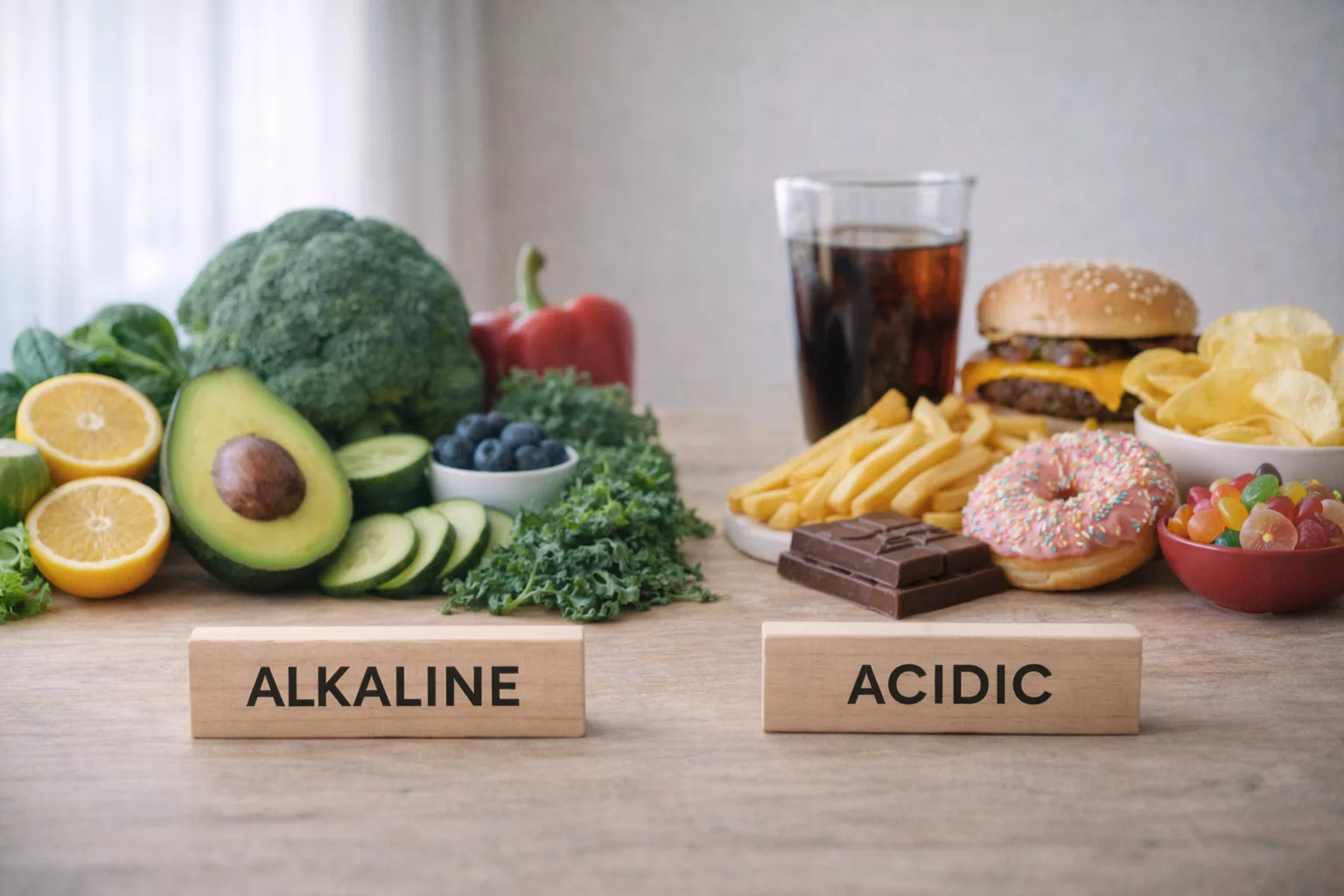
Every food, once digested and metabolized, leaves an acidic or alkaline residue in the body. This classification does not depend on the taste of the food (lemon, for example, has an acidic taste but an alkalizing effect), but rather on the type of minerals it releases after digestion.
A typical modern diet — rich in animal proteins, refined sugars, white flours, carbonated drinks, and ultra-processed foods — produces a constant surplus of acids that the body must neutralize. To do this, it uses its own buffering systems and, when these are insufficient, draws on the mineral reserves from bones, teeth, and tissues.
Signs of Acidosis
The accumulation of acids in tissues does not produce dramatic symptoms immediately, but manifests as subtle and persistent disorders:
- Chronic fatigue: cells produce less energy in an acidic environment
- Joint and muscle pain: acids irritate tissues and promote stiffness
- Brittleness of nails and hair: the body withdraws minerals to buffer the acids
- Slow and heavy digestion: digestive enzymes work less effectively
- Irritability and difficulty concentrating: the nervous system is also affected by acidosis
- Predisposition to infections: an acidic environment promotes the proliferation of pathogens
How to Rebalance pH Through Food
The dietary strategy to promote acid-base balance is simple in principle: increase the intake of alkalizing foods and reduce acidifying ones. An ideal proportion suggests that about 80% of the plate should consist of vegetables and the remaining 20% of proteins and grains.
In practice, this means:
- Building each meal around vegetables, not around protein
- Starting meals with a salad or raw vegetables
- Preferring whole grains to refined ones
- Consuming fresh fruit away from main meals
- Reducing red meat consumption to once or twice a week
- Limiting white sugar, industrial sweets, and carbonated drinks
Not Just Food: Other Sources of Acidity
Diet is the main source of acids, but not the only one. Chronic stress produces acids through the constant activation of the sympathetic nervous system. Sedentary behavior slows down the elimination of waste. Shallow breathing reduces the expulsion of carbon dioxide. Lack of sleep also contributes to the acidification of tissues.
A comprehensive approach to acid-base balance therefore integrates nutrition, regular movement, deep breathing techniques, and stress management: four pillars that, together, can make a significant difference for daily health and well-being.


Comments 3
comments.cta_title
comments.cta_text
comments.login_cta