
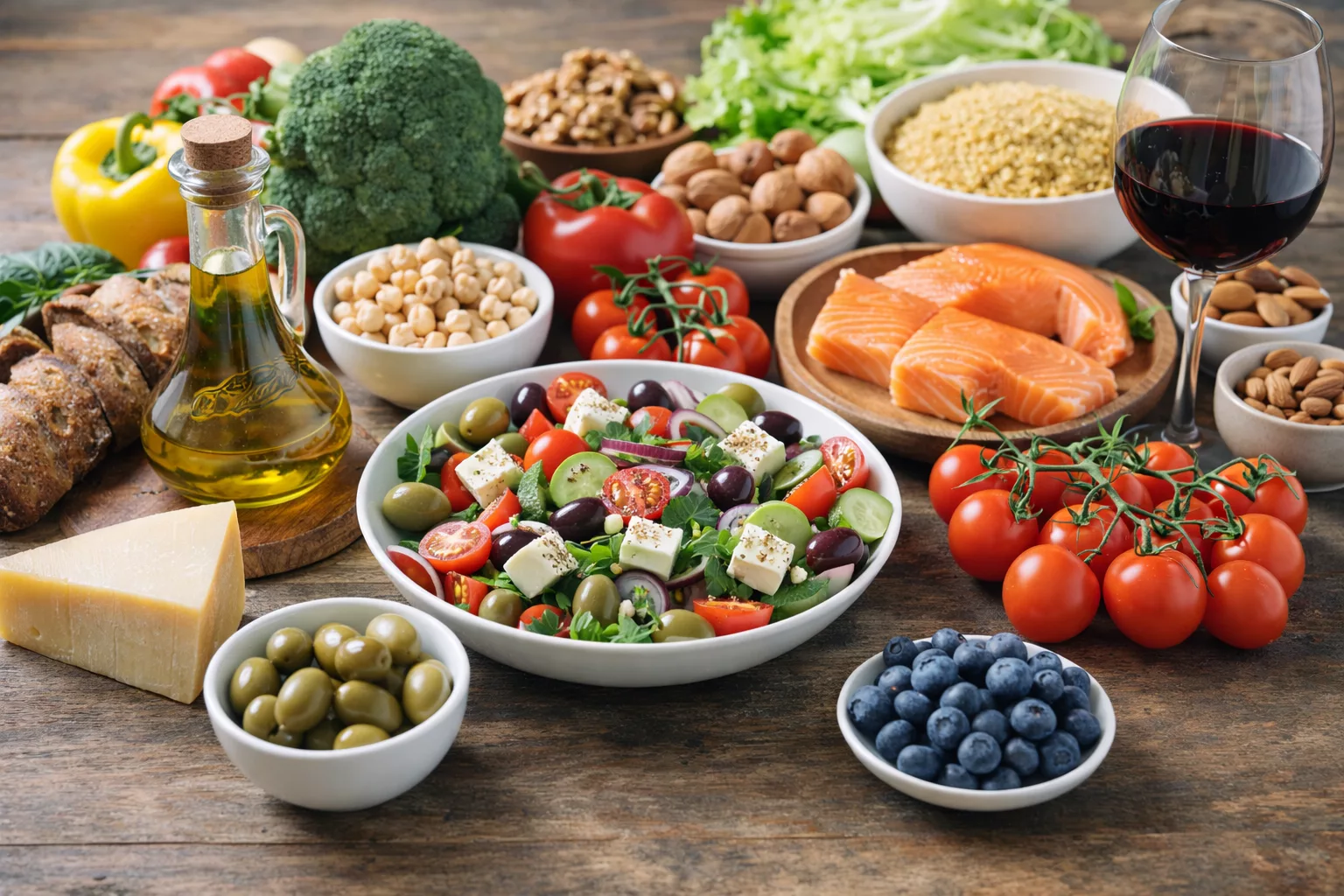
What is the Mediterranean Diet?
The Mediterranean diet is much more than just a diet: it is a lifestyle recognized by UNESCO as an intangible cultural heritage of humanity. Based on the traditional foods of the countries bordering the Mediterranean, it emphasizes vegetables, fruits, whole grains, legumes, extra virgin olive oil, and fish.
Fundamental Pillars
At the core of this dietary model is the daily consumption of seasonal fruits and vegetables, whole grains, and extra virgin olive oil as the main source of fats. Fish is consumed two to three times a week, while red meat is limited to a few times a month.
Scientifically Proven Benefits
Numerous studies have shown that the Mediterranean diet reduces the risk of cardiovascular diseases, type 2 diabetes, and some forms of cancer. Additionally, it promotes the maintenance of a healthy body weight and improves cognitive functions.
How to Get Started
Start by replacing saturated fats with extra virgin olive oil, increase the consumption of legumes and whole grains, and introduce at least five servings of fruits and vegetables a day. Remember that socializing and movement are integral parts of this lifestyle.
Key Foods
- Extra virgin olive oil: main source of healthy fats
- Blue fish: rich in omega-3
- Legumes: high-quality plant proteins
- Whole grains: slow-release energy
- Fruits and vegetables: vitamins and antioxidants



Comments 6
comments.cta_title
comments.cta_text
comments.login_cta