
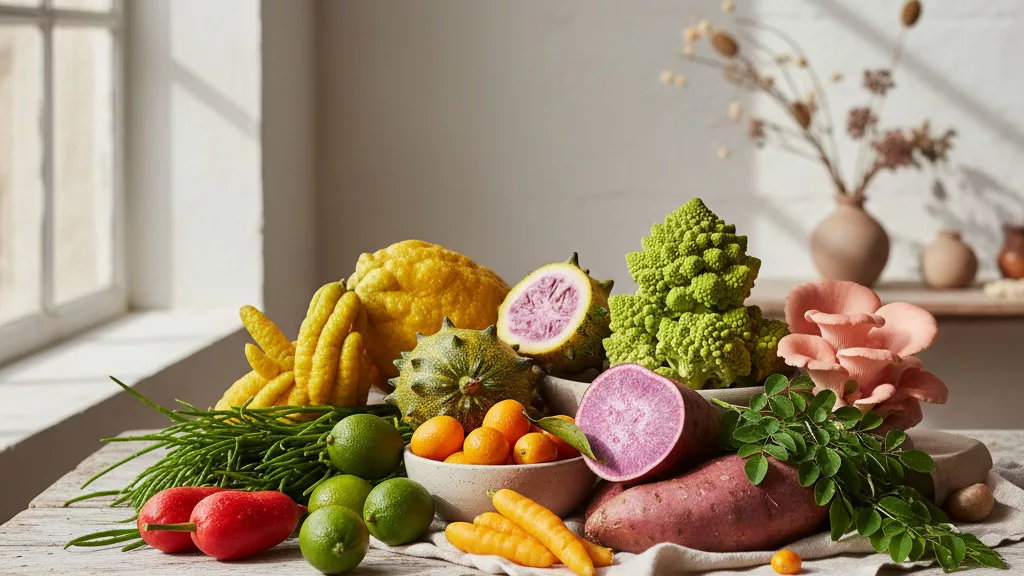
Introduction to Unknown Vitamins
Vitamins are essential nutrients that our body requires to function properly. While many people are aware of common vitamins like vitamin C, D, and B12, there are many other lesser-known vitamins that offer extraordinary health benefits. In this article, we will explore some of these lesser-recognized vitamins, their positive effects on our body, and how we can incorporate them into our daily diet.
What Are Vitamins and Why Are They Important?
Vitamins are organic compounds that our body cannot synthesize in sufficient quantities, so they must be obtained through diet. They play crucial roles in maintaining health, including:
- Metabolism regulation: Vitamins help convert food into energy.
- Immune function: Some vitamins, like vitamin C, strengthen the immune system.
- Skin and hair health: B vitamins and vitamin E are essential for skin health.
Despite their importance, many people do not consume an adequate intake of all necessary vitamins, particularly the lesser-known ones.
Vitamin K2: An Underrated Nutrient
Vitamin K2 is often overlooked compared to K1, but it plays a fundamental role in bone and cardiovascular health. It helps direct calcium to the bones and teeth, preventing it from accumulating in the arteries. Some studies have shown that adequate intake of K2 can reduce the risk of osteoporosis and cardiovascular diseases.
Food Sources of Vitamin K2
Vitamin K2 can be found in fermented foods such as:
- Natto (fermented soy)
- Aged cheeses
- Egg yolks
Incorporating these foods into your daily diet can help improve vitamin K2 levels.
Vitamin B7 (Biotin): The Secret to Healthy Hair and Nails
Biotin, also known as vitamin B7, is essential for the health of hair, nails, and skin. It helps metabolize carbohydrates, fats, and proteins, and is often used to improve hair health and prevent hair loss. A deficiency in biotin can lead to brittle hair and weak nails.
How to Incorporate Biotin into Your Diet
Foods rich in biotin include:
- Nuts and seeds
- Eggs
- Fish
- Legumes
Including these foods in your daily diet can help maintain healthy and strong hair.
Vitamin B12: Essential for the Nervous System
Vitamin B12 is crucial for red blood cell production and the health of the nervous system. A deficiency in B12 can lead to anemia and neurological problems. While it is most commonly associated with animal products, it can also be found in supplements and fortified foods, which are essential for those following a vegan or vegetarian diet.
Food Sources of Vitamin B12
The main food sources of vitamin B12 include:
- Meats (beef, chicken, fish)
- Eggs
- Dairy products (milk, yogurt, cheese)
For those who do not consume animal products, it is advisable to consider using B12 supplements.
Vitamin D: An Ally for the Immune System
Vitamin D is essential for bone health and the proper functioning of the immune system. It is synthesized by the skin when exposed to sunlight, but in many cases, especially during the winter months, it is difficult to obtain sufficient levels through sun exposure. A deficiency in vitamin D has been associated with an increased risk of autoimmune diseases and infections.
Food Sources of Vitamin D
Food sources of vitamin D include:
- Fatty fish (salmon, mackerel)
- Beef liver
- Egg yolks
Additionally, it may be helpful to consider taking vitamin D supplements, especially during the winter months.
Vitamin E: A Powerful Antioxidant
Vitamin E is a powerful antioxidant that protects cells from damage caused by free radicals. It is important for skin health and helps maintain an efficient immune system. A deficiency in vitamin E can lead to neurological problems and reduced immune function.
Food Sources of Vitamin E
The main food sources of vitamin E include:
- Nuts and seeds
- Vegetable oils (sunflower oil, olive oil)
- Dark leafy greens
Including these foods in your diet can help ensure an adequate intake of vitamin E.
Vitamin C: Not Just for Colds
Vitamin C is known for its role in supporting the immune system, but it also has other important functions, such as collagen synthesis and iron absorption. Although it is a well-known vitamin, it is important not to neglect its intake and to seek to optimize it through diet.
Food Sources of Vitamin C
Foods rich in vitamin C include:
- Citrus fruits (oranges, lemons)
- Berries (strawberries, blueberries)
- Peppers and broccoli
Consuming a variety of these foods can help maintain adequate levels of vitamin C.
Conclusion: The Importance of a Balanced Diet
In conclusion, it is clear that lesser-known vitamins can have a significant impact on our health. Incorporating a variety of vitamin-rich foods into our daily diet is essential to ensure complete nutritional intake. Let us not forget that a balanced diet, rich in fruits, vegetables, proteins, and healthy fats, is essential for our overall well-being. Considering the use of supplements can be helpful, but it is always preferable to obtain vitamins through natural food sources.



Comments
comments.cta_title
comments.cta_text
comments.login_cta
comments.empty_title
comments.empty_text