

We are made up of 60-70% water. This simple observation should be enough to make us understand the crucial importance of hydration for our health. Yet, chronic low-grade dehydration is one of the most widespread and underestimated conditions in modern populations. It is not the acute thirst felt after physical exertion, but a constant and silent water deficit that compromises the optimal functioning of the body.
Water as a Vital Medium
Water is not a simple passive component of the body: it is the universal solvent in which all cellular biochemical reactions occur. Every metabolic process — from food digestion to energy production, from protein synthesis to nerve transmission — requires an adequate aqueous environment to take place efficiently.
The extracellular matrix, the space between cells where nutrient and waste exchanges occur, is essentially a watery gel. When water is scarce, this matrix thickens, exchanges slow down, toxins accumulate, and cells receive less nourishment.
Hydration and Acid-Base Balance
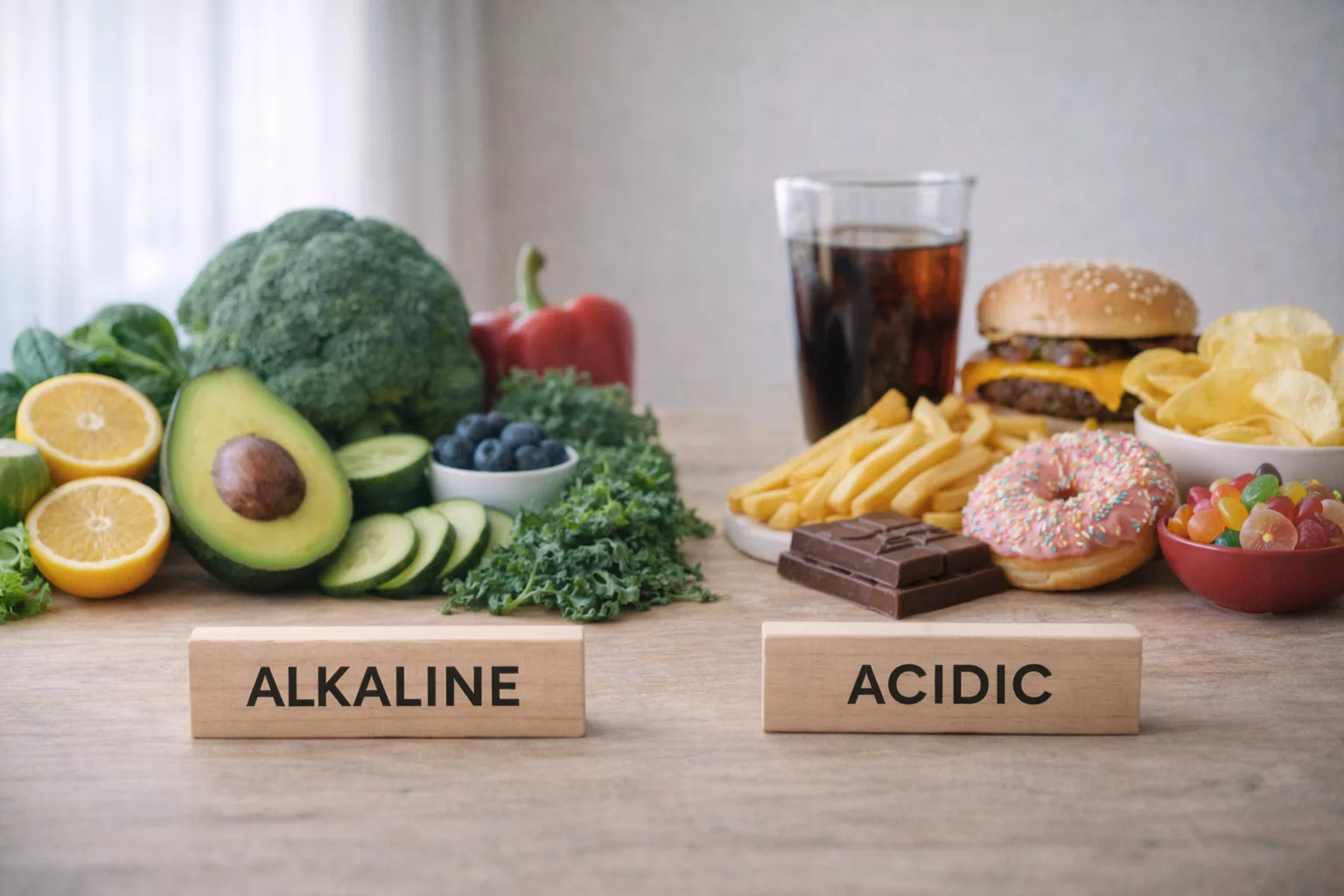
Water plays a fundamental role in maintaining the body's acid-base balance. The kidneys need adequate volumes of water to eliminate excess acids. When we drink little, the kidneys' ability to dispose of acidic waste decreases, and these accumulate in the tissues, promoting acidosis and inflammation.
Drinking enough water is therefore one of the simplest and most effective actions to promote the body's natural detoxification and maintain a healthy tissue environment.
How Much Water to Drink
The general recommendation to drink two liters a day is a reasonable starting point, but the ideal amount varies based on several factors. A practical formula suggests drinking about one liter of water for every 25 kg of body weight. A person weighing 75 kg should therefore consume about 3 liters a day, including the water contained in food.
Note: It is important to drink distributed throughout the day, not all at once. The ideal is to drink small amounts frequently, preferably away from main meals to avoid excessively diluting gastric juices.
Signs of Dehydration
Thirst is a late signal: when we feel it, the body is already in a water deficit. Early signs of chronic dehydration include:
- Tiredness and drowsiness: metabolism slows down when water is lacking
- Frequent headaches: the brain is particularly sensitive to dehydration
- Dry and less elastic skin: dehydration immediately reflects on the skin
- Dark and scant urine: a direct indicator of hydration status
- Constipation: the intestine reabsorbs more water from feces when the body is in deficit
- Difficulty concentrating: even mild dehydration reduces cognitive performance
- Joint pain: cartilage, composed of 80% water, loses elasticity
Which Water to Choose
Not all waters are the same. To promote acid-base balance and overall health, it is advisable to choose waters with the following characteristics:
- Medium fixed residue: between 200 and 500 mg/liter, indicating a good mineral content
- Good bicarbonate content: promotes alkalinization
- Slightly alkaline pH: above 7
- Low sodium content: for those who need to control blood pressure
Waters that are too light (very low fixed residue) do not provide significant minerals, while those that are too rich can overload the kidneys in predisposed individuals.
Practical Tips to Drink More
For those who struggle to drink enough throughout the day, some adjustments can make a difference:
- Always keep a water bottle in sight on your desk
- Drink a glass of water right after waking up, before breakfast
- Associate the act of drinking with already established habits (after coffee, before each meal)
- Flavor the water with slices of lemon, cucumber, or mint leaves
- Consume water-rich foods: cucumbers, zucchini, watermelon, lettuce
Hydration is the foundation upon which every other health strategy rests. No diet, supplement, or exercise program can work optimally if the body is chronically dehydrated. Drinking water is the simplest and most accessible act of care we can offer our body every day.


Comments 3
comments.cta_title
comments.cta_text
comments.login_cta