
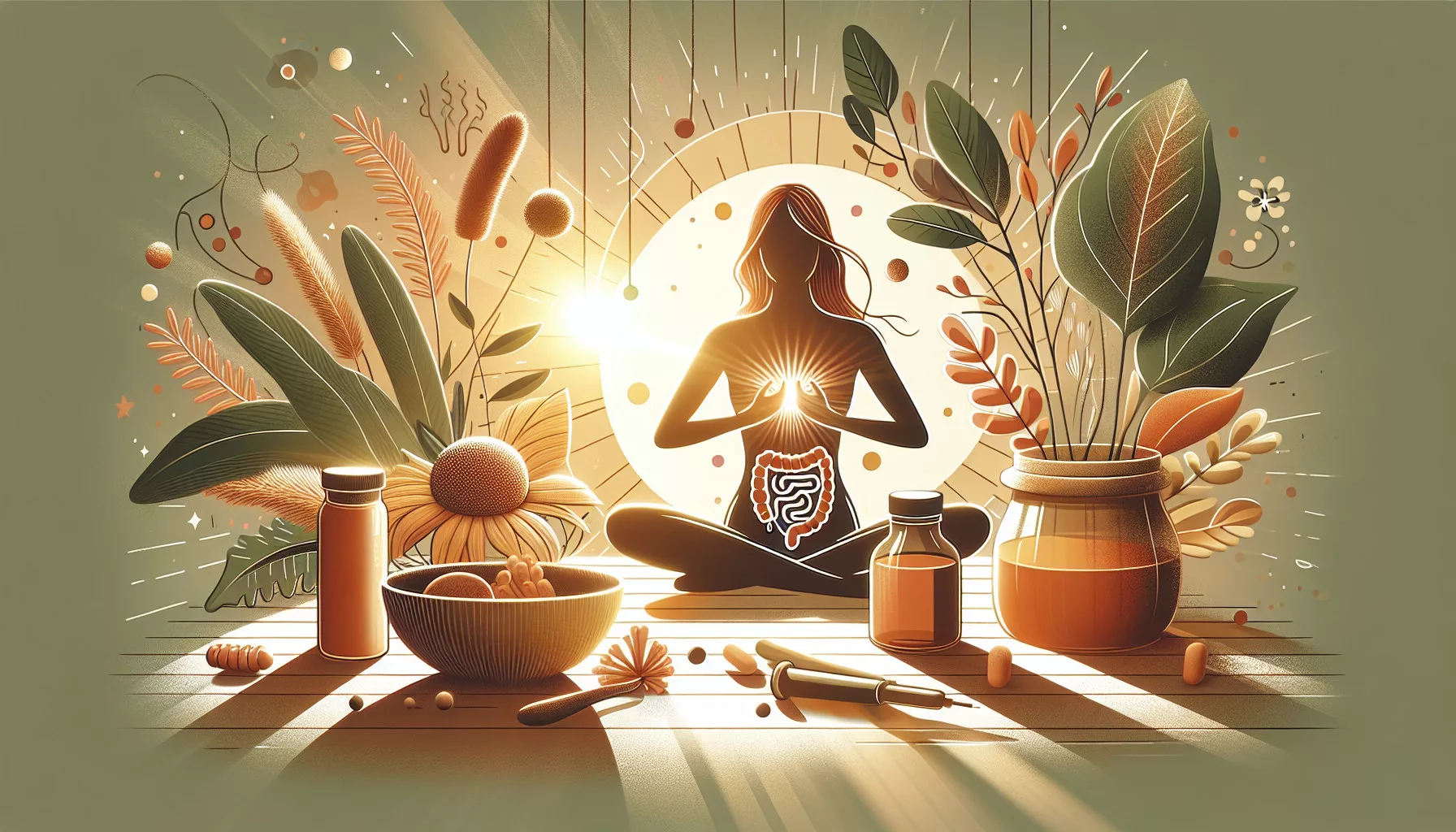
Introduction to the Connection Between Gut Flora and Mental Health
In recent years, research has revealed a surprising link between gut flora and mental health. This connection, known as the gut-brain axis, suggests that the way bacteria in our gut interact with our central nervous system can have a significant impact on our emotions and psychological well-being.
What Are Probiotics and How Do They Work
Probiotics are live microorganisms that, when taken in adequate amounts, confer health benefits. They are primarily bacteria and yeasts that can help maintain the balance of gut flora. But how do they actually work?
Mechanisms of Action of Probiotics
- Regulation of Gut Flora: Probiotics compete with pathogenic bacteria, improving microbial diversity.
- Production of Nutrients: Some probiotics produce vitamins and short-chain fatty acids, essential for gut health.
- Modulation of Immune Response: They influence immune cells, contributing to a balanced inflammatory response.
The Role of Microbiota in Mental Health
The gut microbiota plays a crucial role in determining our mental state. Research has shown that a healthy gut flora can positively influence mood and reduce symptoms of anxiety and depression.
Recent Studies
Numerous studies have highlighted how dysbiosis, or an imbalance of gut flora, is associated with mental disorders. This suggests that restoring microbial balance through probiotics could be an effective strategy for improving mental health.
Probiotics and Emotion Regulation
Emotions are influenced by a variety of factors, and gut microbiota plays an important role. Some strains of probiotics have been studied for their effect on emotional regulation and stress response.
Positive Effects Observed
- Reduction of Anxiety: Some studies indicate that probiotics can reduce anxiety symptoms, improving quality of life.
- Improvement of Mood: Taking probiotics may help improve mood and reduce depressive symptoms.
How to Integrate Probiotics into Your Diet
Integrating probiotics into your diet is simple and can be done through fermented foods or specific supplements. Here are some options:
Foods RICH in Probiotics
- Yogurt: Rich in live lactic ferments.
- Kefir: A fermented drink with a high probiotic content.
- Sauerkraut and Kimchi: Fermented vegetables rich in beneficial bacteria.
- Miso: A Japanese condiment made from fermented soybeans.
Final Considerations and Recommendations
The connection between gut flora and mental health is an evolving field of research. Incorporating probiotics into your daily routine could not only improve gut health but also contribute to better psychological well-being.
It is important to consult a health professional before starting any new supplement regimen to ensure it is suitable for your individual needs.



Comments 4
comments.cta_title
comments.cta_text
comments.login_cta