

Introduction to Menopause
Menopause marks a significant transition phase in a woman's life, usually around the ages of 45-55. This period is characterized by a decline in the production of sex hormones, such as estrogen and progesterone, which can lead to various physical and psychological symptoms. Common symptoms include hot flashes, night sweats, sleep disturbances, mood swings, and vaginal dryness.
Our diet during this time can have a significant impact on the intensity and management of these symptoms. A balanced and targeted diet can not only alleviate discomfort but also improve overall well-being.
Menopause Symptoms and Their Management
Menopause symptoms can vary from woman to woman. Some may experience only mild discomfort, while others may face more intense symptoms. These can include:
- Hot flashes: sudden episodes of heat affecting the face and body.
- Mood swings: emotional changes that can range from depression to irritability.
- Vaginal dryness: can cause discomfort during sexual intercourse.
- Sleep disturbances: difficulty falling asleep or staying asleep.
- Weight gain: many notice an increase in body mass during this phase.
The good news is that through a balanced diet and some lifestyle changes, it is possible to manage and alleviate many of these symptoms.
Essential Foods for Menopause
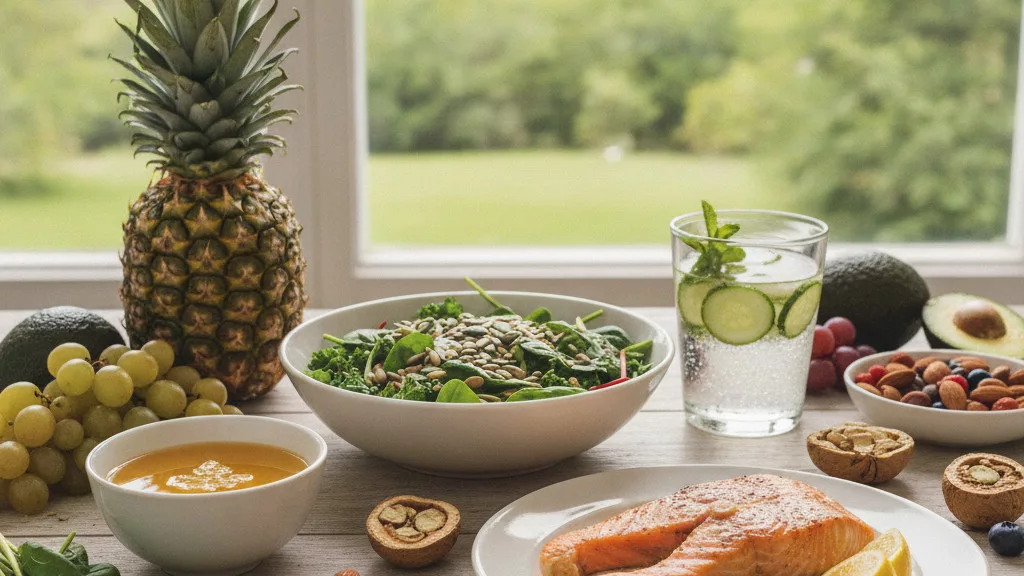
There are certain foods that can actually help mitigate menopause-related symptoms. Here are some key foods to include in your diet:
- Soy: a rich source of phytoestrogens, which can act like natural estrogens in the body. You can consume tofu or soy milk, and a good portion is 100-200 grams per day.
- Fatty fish: such as salmon and mackerel, rich in omega-3, which can help combat inflammation and improve mood. Try to include fish in your diet at least twice a week.
- Fruits and vegetables: foods rich in antioxidants help keep the skin healthy and fight free radicals. An ideal portion is 5 servings of fruits and vegetables per day.
- Nuts and seeds: are great sources of healthy fats and can help maintain energy levels. Include a handful each day.
- Whole grains: such as brown rice, quinoa, and oats, provide fiber and help keep blood sugar levels stable.
Incorporating these foods into your daily diet can have a positive impact on your health during menopause.
The Role of Phytoestrogens
Phytoestrogens are plant compounds that can mimic the action of estrogen in the body. They are found in many plants and can be a valuable aid in managing menopausal symptoms. Soy is one of the most well-known, but other foods like legumes and flaxseeds also contain significant amounts of phytoestrogens.
To make the most of the benefits of phytoestrogens, try to include in your daily diet:
- Two tablespoons of ground flaxseed: to add to smoothies or yogurt.
- 100 grams of legumes: such as lentils or chickpeas, to integrate into salads or soups.
These foods can help balance hormone levels, thus providing some relief during the menopausal transition.
Hydration and Menopause
During menopause, proper hydration is vital. Women may experience dryness of the skin and mucous membranes, making it important to maintain adequate water intake. Drinking at least 2 liters of water a day can help combat dryness and keep the skin elastic.
Additionally, you can include water-rich foods such as:
- Watermelon: over 90% water, perfect for hydration.
- Cucumbers: contain about 95% water, great in salads or as snacks.
Staying well-hydrated can also support your mood and energy throughout the day.
Physical Exercise: An Ally for Well-Being
Another important aspect of coping with menopause is physical activity. Exercise can help manage symptoms, improve mood, and maintain a healthy weight. Guidelines recommend at least 150 minutes of moderate aerobic activity each week, such as walking, swimming, or cycling.
Incorporating strength exercises, such as light weight lifting, at least twice a week can be very beneficial for bone health.
You can start with 30-minute sessions, 5 times a week, and gradually increase the intensity.
Emotional Support and Psychological Well-Being
During menopause, it is common to face emotional challenges as well. Anxiety and mood changes may manifest, making psychological and social support essential. Activities like meditation, yoga, and relaxation techniques can be helpful in improving mental well-being.
Dedicate at least 10-15 minutes a day to relaxation and mindfulness practices. These techniques can help you stay centered and better manage daily stress.
Consultation and Support Therapies
It is important to consider speaking with your doctor about hormone replacement therapy options. Depending on the severity of symptoms, hormonal treatments or other specific therapies may be recommended.
Additionally, sometimes supplementation with omega-3 or vitamin D may be suggested; be sure to discuss with a health professional before starting any supplementation.
Conclusion: Taking Care of Yourself During Menopause
Menopause is a natural phase in every woman's life, and with the right attention to diet and well-being, it is possible to face it with greater serenity. Choosing nutritious foods and adopting an active lifestyle can make a significant difference in managing symptoms. Remember to listen to your body and give it the support it needs.
Start integrating these tips into your routine today and notice how they improve your quality of life.


Comments
comments.cta_title
comments.cta_text
comments.login_cta
comments.empty_title
comments.empty_text