
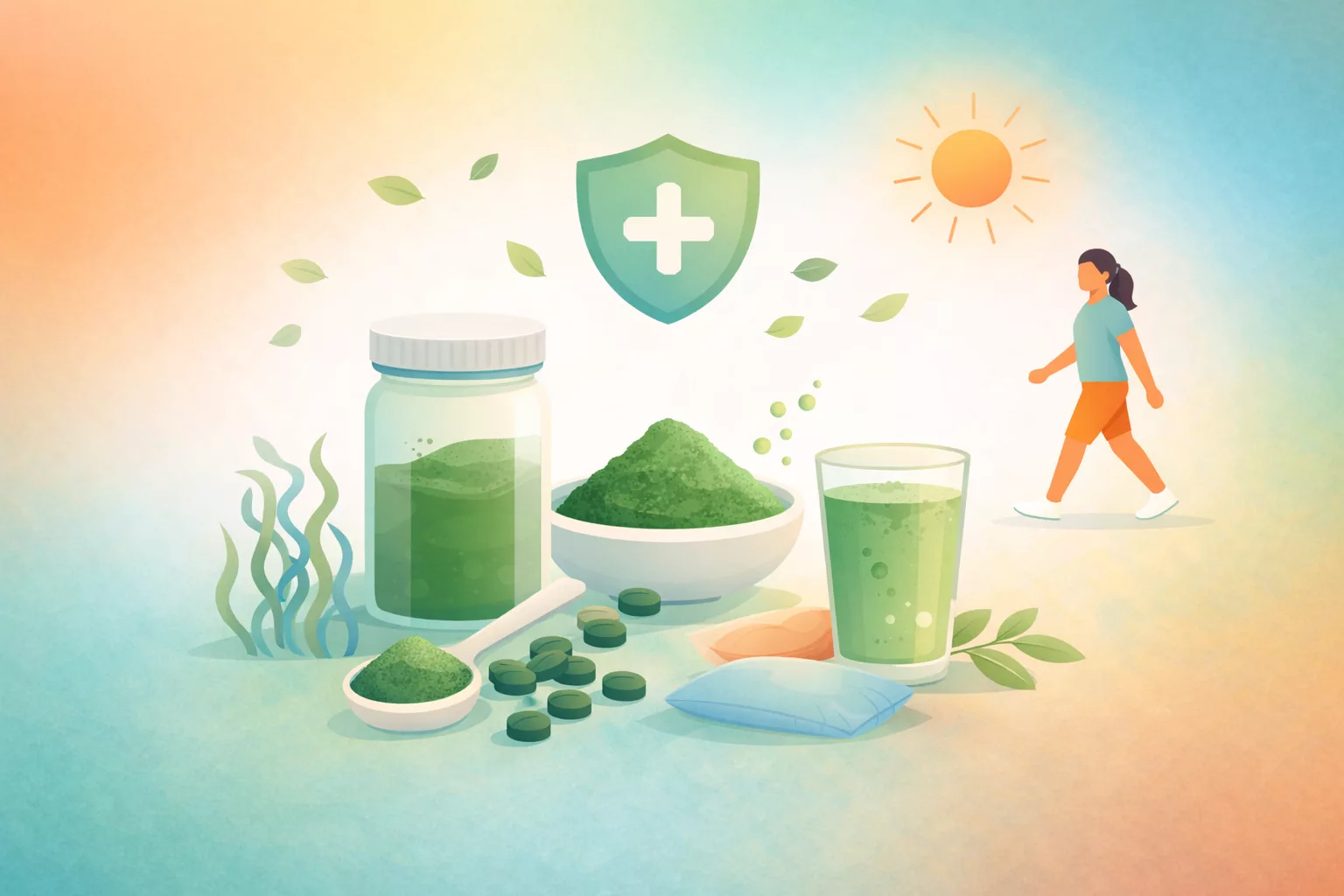
In the world of dietary supplements, few ingredients enjoy the reputation of spirulina. This blue-green microalga is often referred to as a superfood, but behind this label lies a very concrete nutritional reality. Spirulina is indeed an extraordinary concentrate of nutrients: high biological value proteins, B vitamins, minerals, iron, carotenoids, and bioactive pigments such as phycocyanin. Because of this richness, it is considered by many to be one of the most complete natural supplements to support energy, general tone, and vitality.
What is Spirulina
Spirulina is a biomass belonging to the group of cyanobacteria, although in common language it is described as an alga. It grows in alkaline waters and has been used for centuries as a source of nourishment. Today it is cultivated in controlled environments and transformed into powder, tablets, or capsules, becoming one of the most well-known supplements in the realm of natural wellness.
Its success depends on its nutritional density: by weight, spirulina concentrates a surprising amount of nutrients. This makes it interesting not only for those seeking energy support but also for those wishing to enhance the overall quality of their diet.
The Nutritional Properties of Spirulina
One of the most striking aspects is its protein content. Spirulina can contain a very high proportion of protein, accompanied by numerous amino acids. In addition to proteins, it provides:
- iron, useful for normal oxygen transport
- magnesium, important for energy and the nervous system
- carotenoids, substances with antioxidant action
- B vitamins, involved in energy metabolism
- phycocyanin, the distinctive pigment of spirulina with protective properties
It is precisely the presence of micronutrients and biologically active pigments that explains why spirulina is used not only as a “restorative” but as broader support for the metabolic quality of the organism.
Phycocyanin: The Functional Heart of Spirulina
If there is one compound that makes spirulina truly unique, it is phycocyanin. This is the blue-green pigment responsible for the typical coloration of spirulina and much of its scientific interest. Phycocyanin is studied for its possible role in combating oxidative stress and supporting the body's physiological defense mechanisms.
In a modern life context marked by nutrient-poor diets, chronic stress, reduced sleep, and high toxic load, antioxidant support is not a secondary detail. Protecting cells from oxidative stress means supporting energy, recovery, and biological resilience.
Spirulina and Natural Energy
Many people turn to spirulina because they seek more energy. It is important to clarify that it is not a stimulant like caffeine or other excitatory substances. Spirulina does not “artificially” activate the nervous system but provides nutrients that can support normal energy production at the cellular level.
This is one of the reasons it is appreciated during periods of fatigue, seasonal changes, during phases of intense mental or physical work, and in moments when there is a general decline in vital tone. Its effect, when present, is often described as an improvement in the sense of overall efficiency rather than an immediate nervous boost.
Spirulina and Physical Recovery
Spirulina is also appreciated by those who engage in sports or want to support recovery. In this area, the protein content, micronutritional profile, and supply of antioxidant compounds are particularly interesting. After intense training, in fact, the body needs not only calories but also a favorable context for rebuilding and rebalancing.
Spirulina can fit well into a diet aimed at recovery, especially when the goal is to improve the quality of overall nutritional intake.
An Aid in Unbalanced or Poor Diets
One of the most common issues today is malnutrition from excess: people eat a lot, but they introduce few valuable nutrients. Ultra-processed foods, sugars, refined flours, and industrial snacks fill the stomach but do not truly nourish the tissues. In this scenario, spirulina can represent an intelligent support to increase the nutritional density of the diet.
It does not replace a healthy diet but can help those with monotonous eating patterns, those who eat little due to stress or altered rhythms, those on controlled diets, or those who wish to support nutritional quality without complicating their daily routine too much.
Spirulina and the Immune System
Thanks to its rich profile of pigments, minerals, and functional nutrients, spirulina is often considered a supplement to support immune wellness. It should not be interpreted as a drug or as absolute protection, but as a possible ally to give the body a more favorable ground.
Defenses do not depend on a single substance but on the sum of many factors: quality of sleep, stress level, nutrition, movement, intestinal health. In this context, spirulina can contribute to improving the quality of overall nutritional support.
How to Take Spirulina
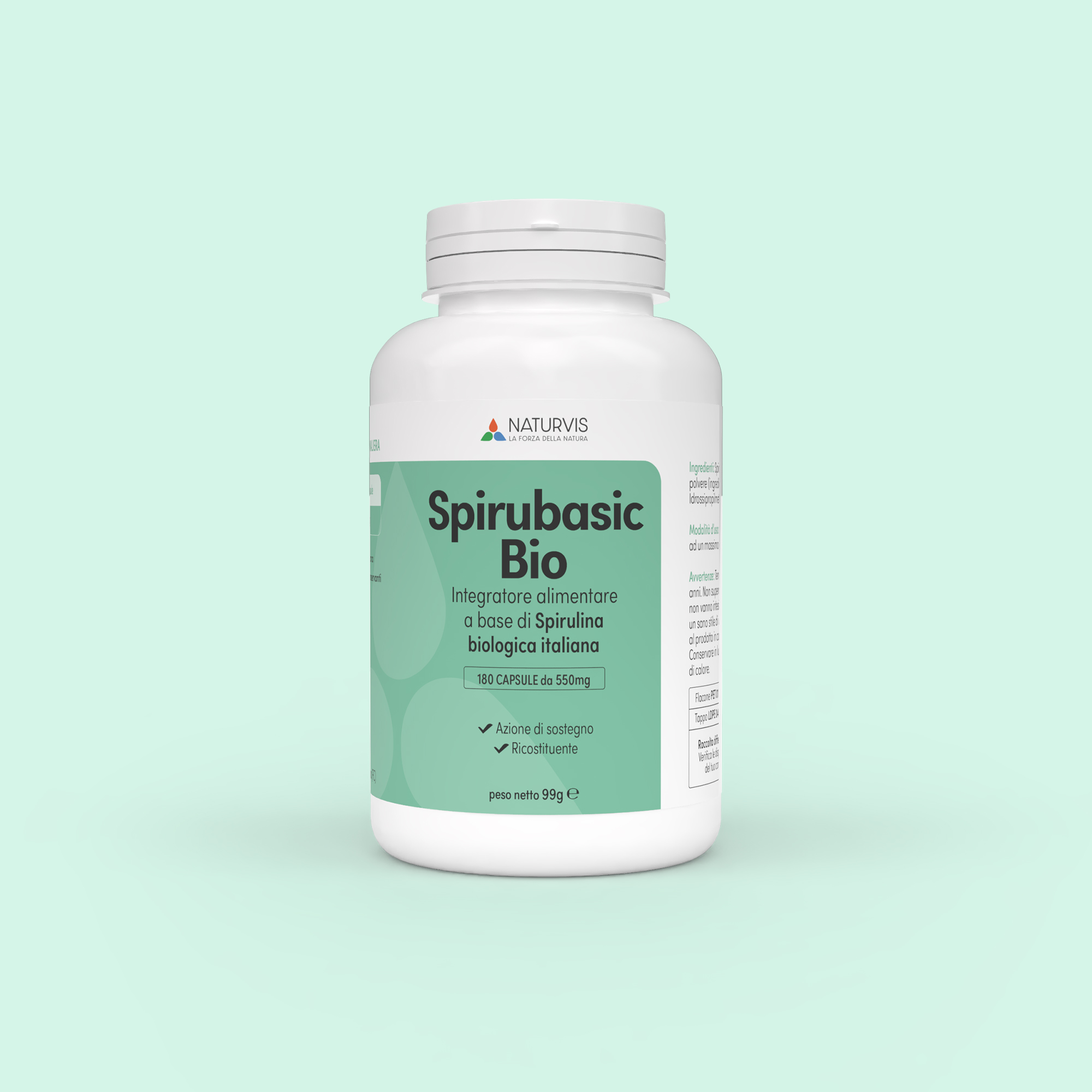
Spirulina is available in powder, tablets, and capsules. The powder can be added to smoothies, juices, yogurt, or plant-based drinks. Tablets and capsules are often more convenient for those seeking practicality. The choice depends on personal habits and the ability to maintain consistent intake.
As with all supplements, quality is crucial. It is important to prefer controlled products, sourced from safe cultivations, with checks on contaminants and purity of the raw material.
Who Can Benefit from Spirulina
- those going through periods of fatigue and decreased vitality
- those wishing to increase the nutritional quality of their diet
- those who practice sports and want to support recovery and general tone
- those on restrictive or low-variety diets
- those seeking a natural supplement rich in antioxidants and micronutrients
Conclusion
Spirulina is not just a trend in natural wellness. It is an extraordinarily nutrient-dense functional food, useful for supporting energy, recovery, nutritional quality, and the physiological defenses of the body. Its true value lies in its ability to serve as an intelligent support within a healthier lifestyle. When used properly, consistently, and by choosing quality products, it can become one of the most interesting supplements for those who truly want to invest in their vitality.
Comments 3
comments.cta_title
comments.cta_text
comments.login_cta