
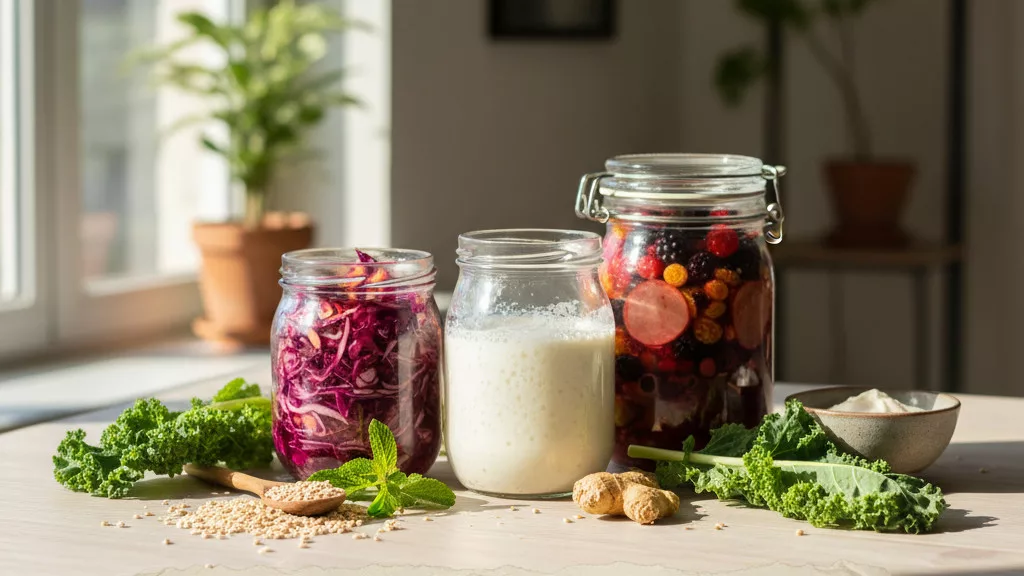
The Gut: The Second Brain
Our gut hosts about 100 trillion microorganisms - the so-called gut microbiota. This complex ecosystem influences not only digestion but also the immune system, neurotransmitter production, metabolism, and even our mood. It is no coincidence that it is called the "second brain".
What Are Probiotics
Probiotics are live microorganisms that, when taken in adequate amounts, confer a health benefit to the host. The most studied strains belong to the genera Lactobacillus and Bifidobacterium, but there are many other strains specific to different conditions.
Documented Benefits
- Digestion: reduce bloating, gas, and symptoms of irritable bowel syndrome
- Immunity: 70% of the immune system resides in the gut
- Mood: the gut-brain axis influences serotonin production (90% is produced in the gut)
- Skin: a balanced microbiota reflects on skin health
- Absorption: improve the absorption of vitamins and minerals
How to Choose the Right Probiotic
Strains for Goals
- Digestion: L. acidophilus, L. plantarum, B. lactis
- Immunity: L. rhamnosus GG, L. casei, B. longum
- Mood and stress: L. helveticus, B. longum (the so-called "psychobiotics")
- After antibiotics: S. boulardii, multi-strain combinations
What to Look for on the Label
A good probiotic should indicate: specific strains (not just the genus), number of CFUs (at least 1 billion), shelf-life guarantee (not at production), and storage instructions.
Food Sources of Probiotics
In addition to supplements, you can naturally obtain probiotics through:
- Yogurt: choose those with live cultures and no added sugars
- Kefir: richer in strains compared to yogurt
- Unpasteurized sauerkraut: natural fermentation
- Miso: fermented soybean paste from Japan
- Kombucha: fermented tea rich in beneficial bacteria


Comments 6
comments.cta_title
comments.cta_text
comments.login_cta