

Among all the minerals involved in the health of the nervous and muscular system, magnesium holds a prominent place, especially for those suffering from fibromyalgia. Its deficiency, now extremely widespread in the population, has profound implications on pain threshold and neuronal excitability.
Magnesium and Pain Threshold
At the level of nerve fibers, magnesium acts as a natural brake on the transmission of pain impulses. In technical terms, magnesium ions inhibit the penetration of calcium into nerve fibers through voltage-dependent channels. Since calcium facilitates the release of neurotransmitters and the sensitization of pain receptors (nociceptors), a deficiency of magnesium literally means feeling more pain.
Conversely, when magnesium is present in adequate amounts, the pain threshold rises and overall sensory sensitivity decreases. This is a clinical observation confirmed daily: restoring proper bioavailability of magnesium leads to a tangible improvement in pain perception.
The Most Deficient Mineral
Magnesium is now considered the most deficient ion in the population of industrialized countries. The reasons are multiple:
- Soil Depletion: intensive agriculture has reduced the mineral content in plants
- Food Refinement: industrial processing removes much of the magnesium
- Chronic Stress: stress increases the consumption and elimination of magnesium
- Excess Calcium: an unbalanced intake favoring calcium competes with magnesium absorption
- Medications: many common medications increase magnesium excretion
Beyond Pain: The Functions of Magnesium
Magnesium participates in over 300 enzymatic reactions in the body. Its deficiency manifests with symptoms that go well beyond pain:
- Muscle cramps and fasciculations
- Irritability and nervousness
- Difficulty concentrating
- Sleep disturbances
- Chronic fatigue
- Heart palpitations
- Tension headaches
These are, once again, symptoms that significantly overlap with those of fibromyalgia.
How to Supplement Magnesium
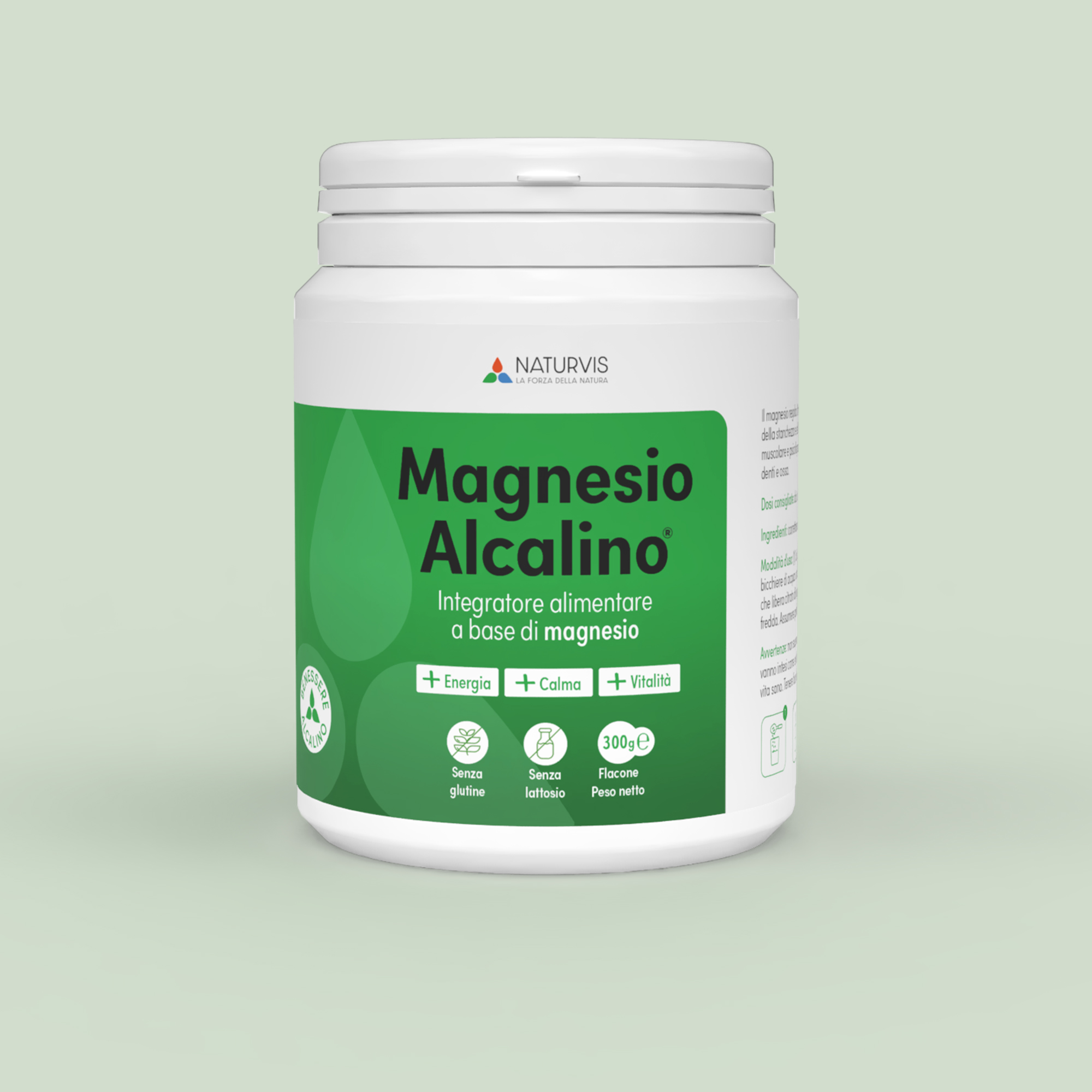
Magnesium supplementation should be evaluated with your doctor, considering the most bioavailable form and the dosage appropriate for your needs. Magnesium is naturally found in leafy green vegetables, nuts, seeds, legumes, and whole grains. However, given the widespread deficiency and increased demand in fibromyalgia, diet alone may not be sufficient.
Without adequate magnesium availability, sensitivity to pain increases. With adequate amounts of magnesium, pain is felt less.




Comments 5
comments.cta_title
comments.cta_text
comments.login_cta